Words and images by Richard Cornish
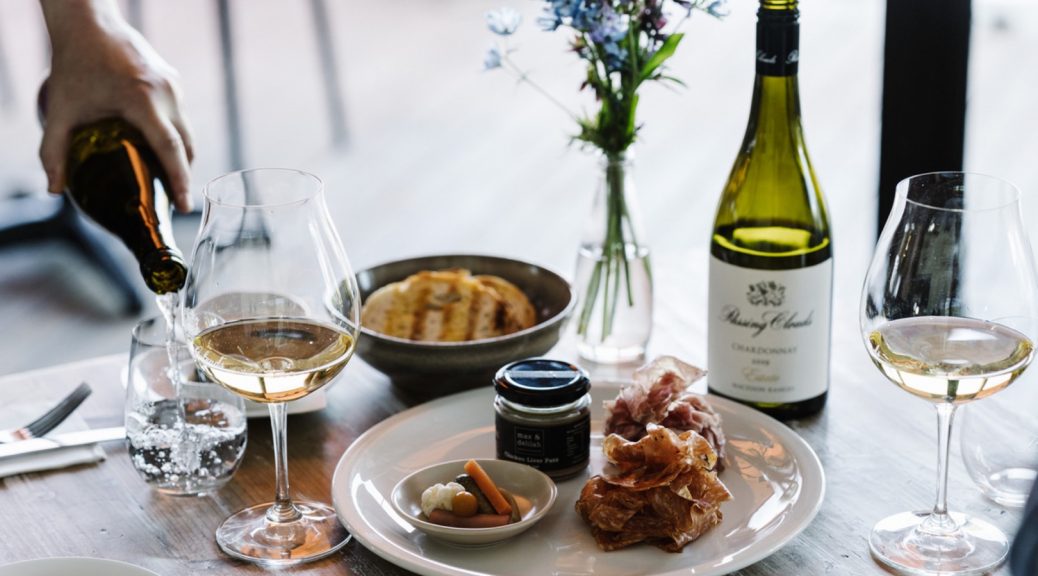
On the edge of an old volcano, in the hills between Trentham and Daylesford, is one of Victoria’s most respected cool climate vineyards. The Leith family moved their operation from near Bendigo to Musk in 2010. Since then, Cameron and Marion Leith have taken over from Cameron’s father Graham and transformed the vineyard running along the regenerative and bio-dynamic principles. They built a dining room overlooking a pond seven years ago with a menu based on cooking simple dishes over a charcoal fire pit. Inspired by words from Mildura legend Stefano de Pieri the Leiths and chef Cameron McKenzie dishes using only the open fire pit as a source of heat.
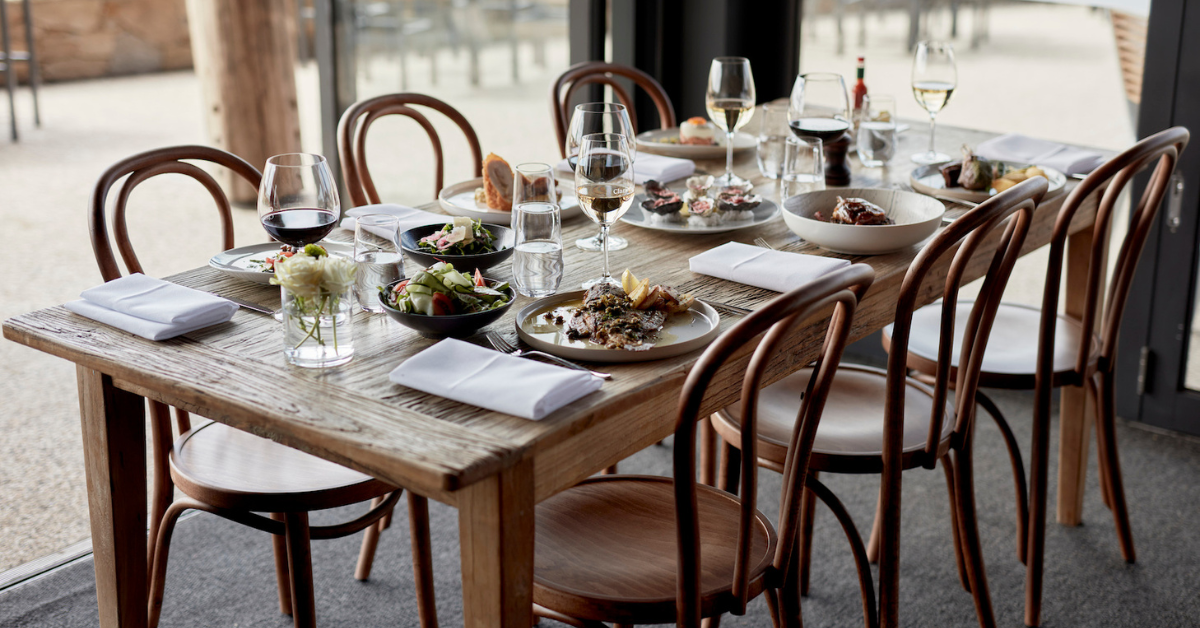
This month they open the second iteration of The Dining Room which now sits out over the water, over which the dragon flies dance about in the warmer month and the pobblebonk frog sing their cacophonic chorus. The new dining room was designed by Watson Young architects and been built from native hardwood from an old wharf. The restaurant furniture has been made from native hardwood timber made by Pride Furniture in Daylesford. The earthen ware crockery has been sourced from importer Made in Japan and the glassware is fine Riedel which are changed through the meal depending on the wine poured.
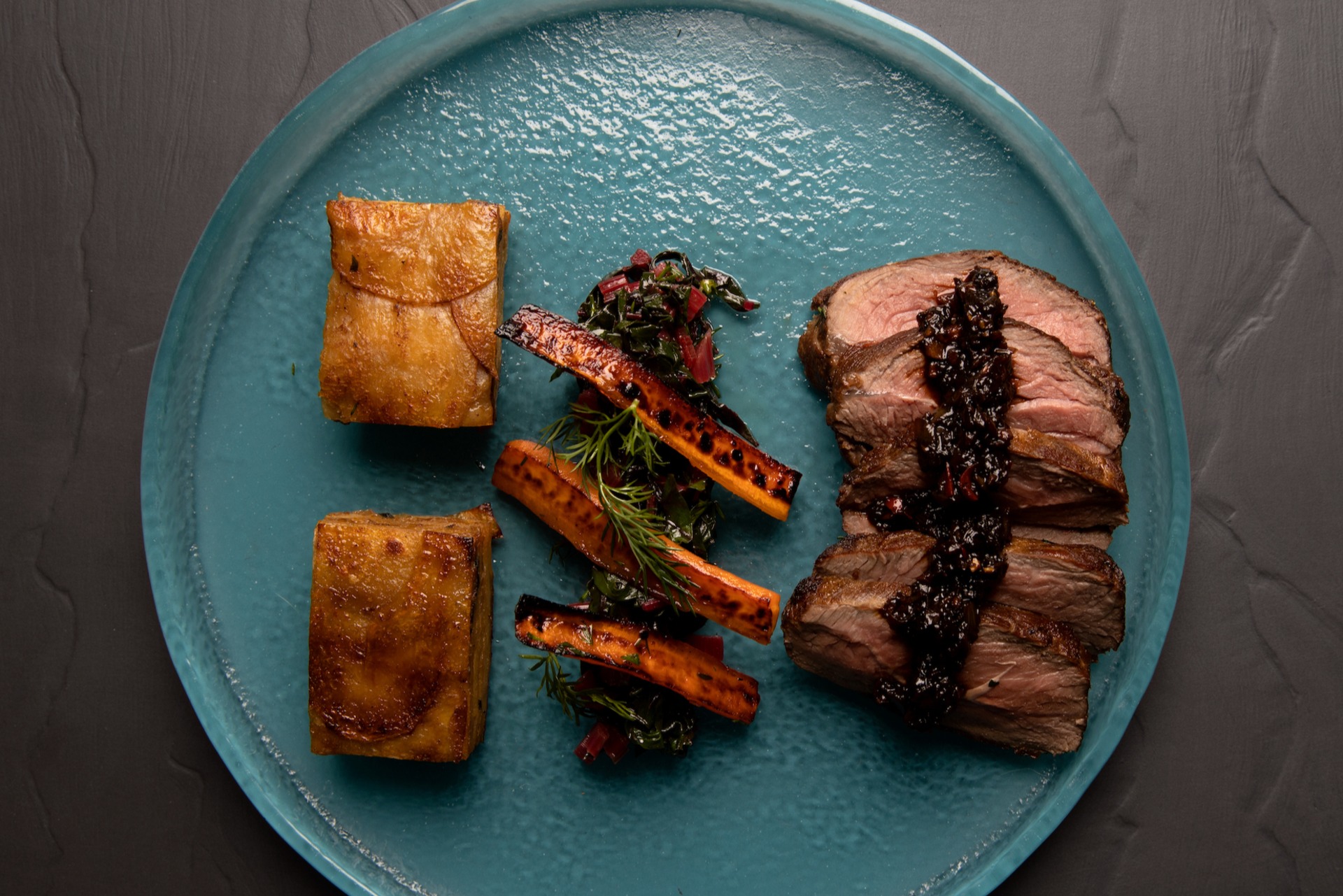
The menu has been loosened up with a three-course set menu starting with house cured salmon smoked over old wine barrels staves. The meal starts with a che’s selection of starters which could include the classic vitello tonnato and house made charcuterie. There is Turkish style hummus made to the recipe from front of house manager Murvet McKenzie, wife of chef, whose mother is Turkish. Second course is a five-day house brined chicken cooked over the coals, lamb or beef. Desserts could be Italian influenced panna cotta or tira misu or more colonial era golden syrup dumplings. All served with house wines from the cellar or museum wines all from Passing Clouds. The price for the three courses is $85 plus drinks.
THE DETAILS
What: Beautiful new timber dining room and new menu at regenerative cool climate vineyard in Musk
Who: Winemakers Cameron and Marion Leith with chef Cameron McKenzie
Where: Passing Clouds, Musk, 676 metres above sea level
When: From June 2
Why: Exceptional cool climate wines, great food from a chef with a singular vision, gracious front of house and cellar door team
More Info: Passing Clouds
We wish to acknowledge the Dja Dja Wurrung people as traditional owners of this land and to pay our respects to their Elders, past and present.
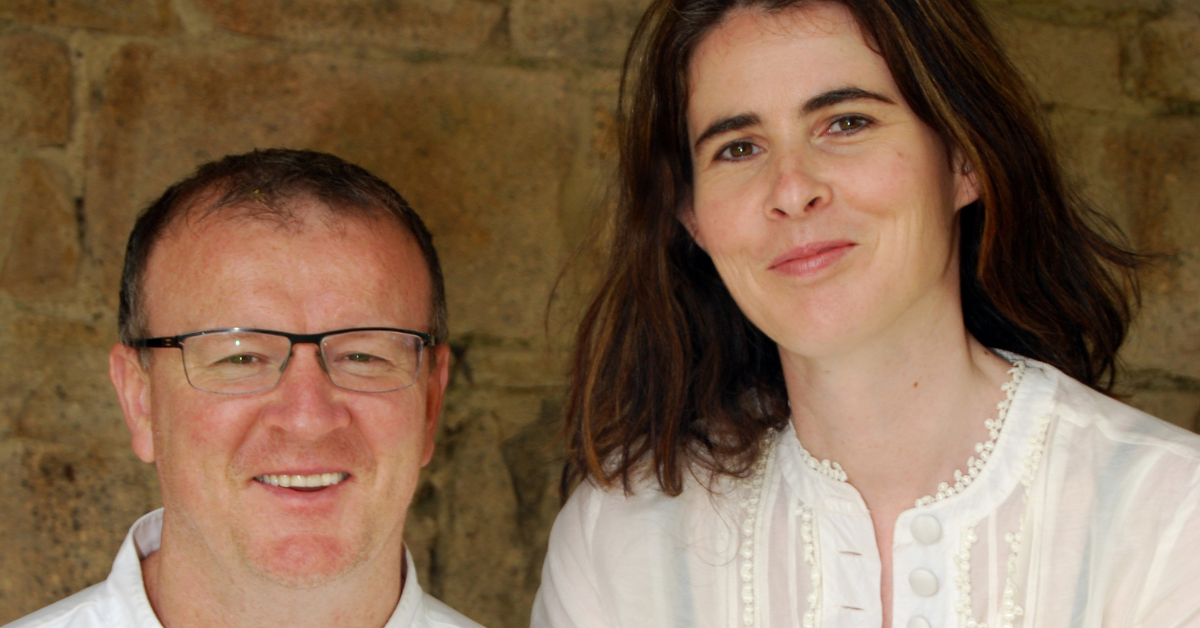
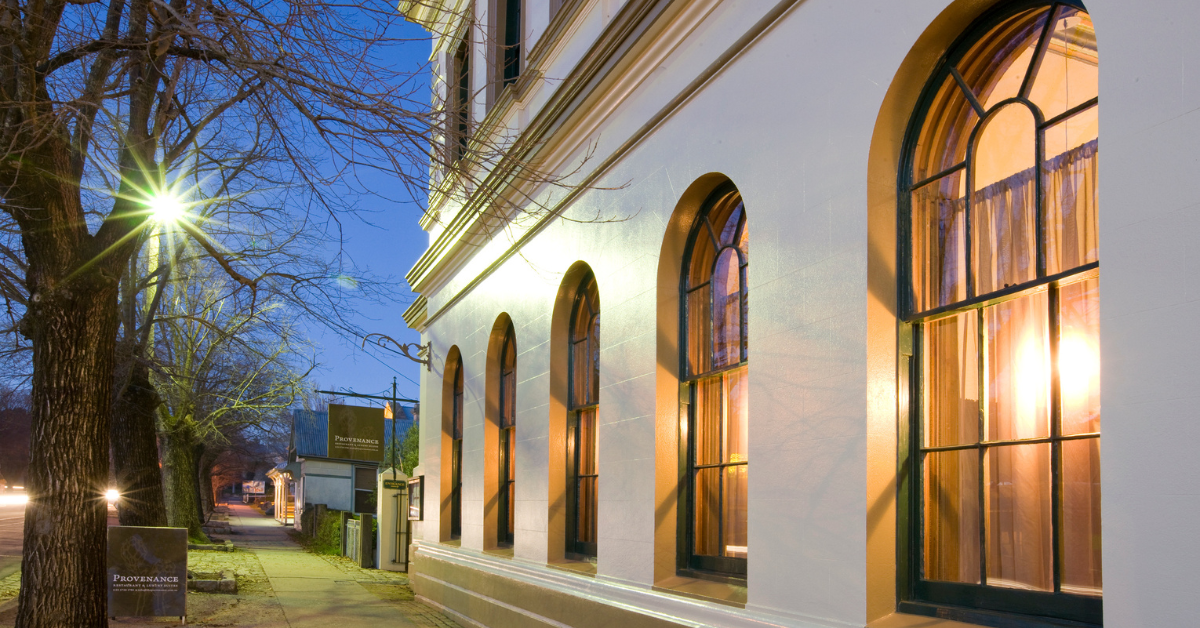
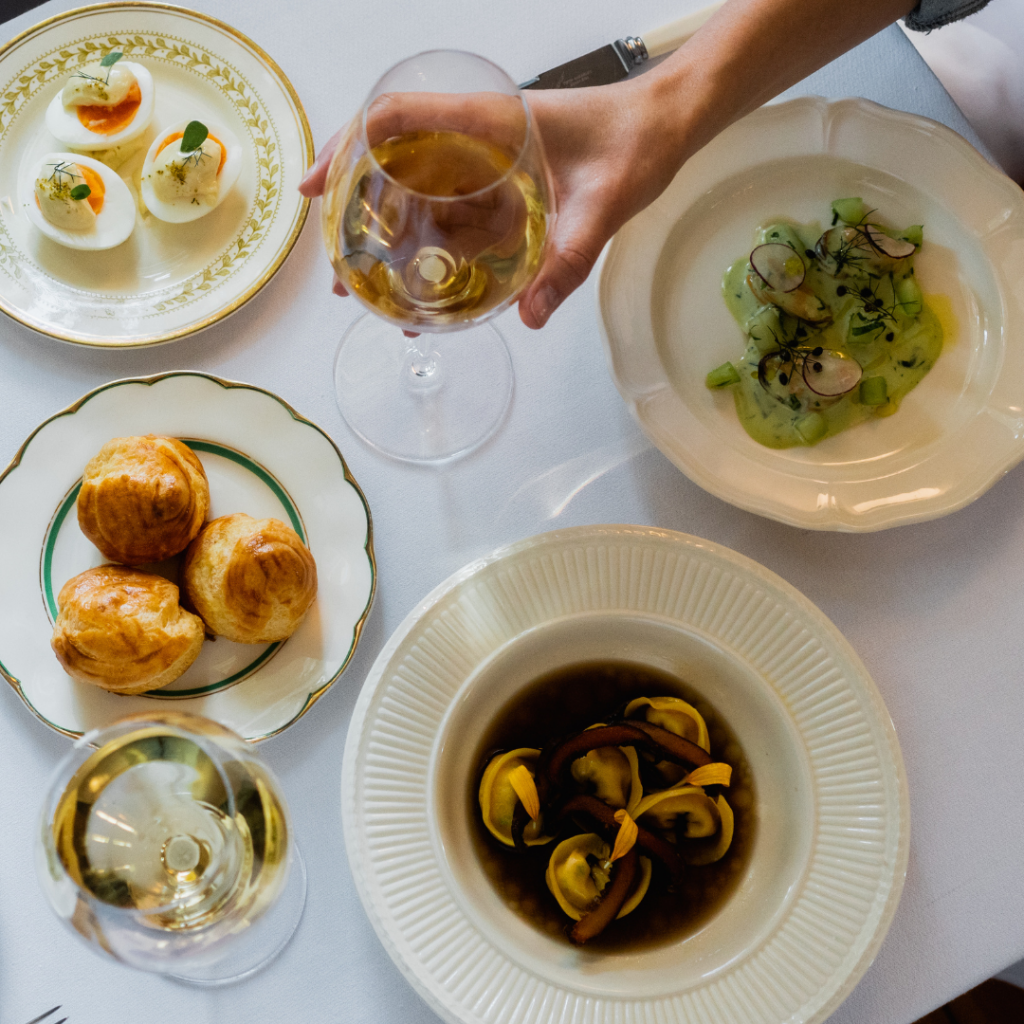 This fine-dining gem is attracting a huge amount of foodie attention – and earning hats – with the couple at the helm having some big hospitality names on their collective CV.
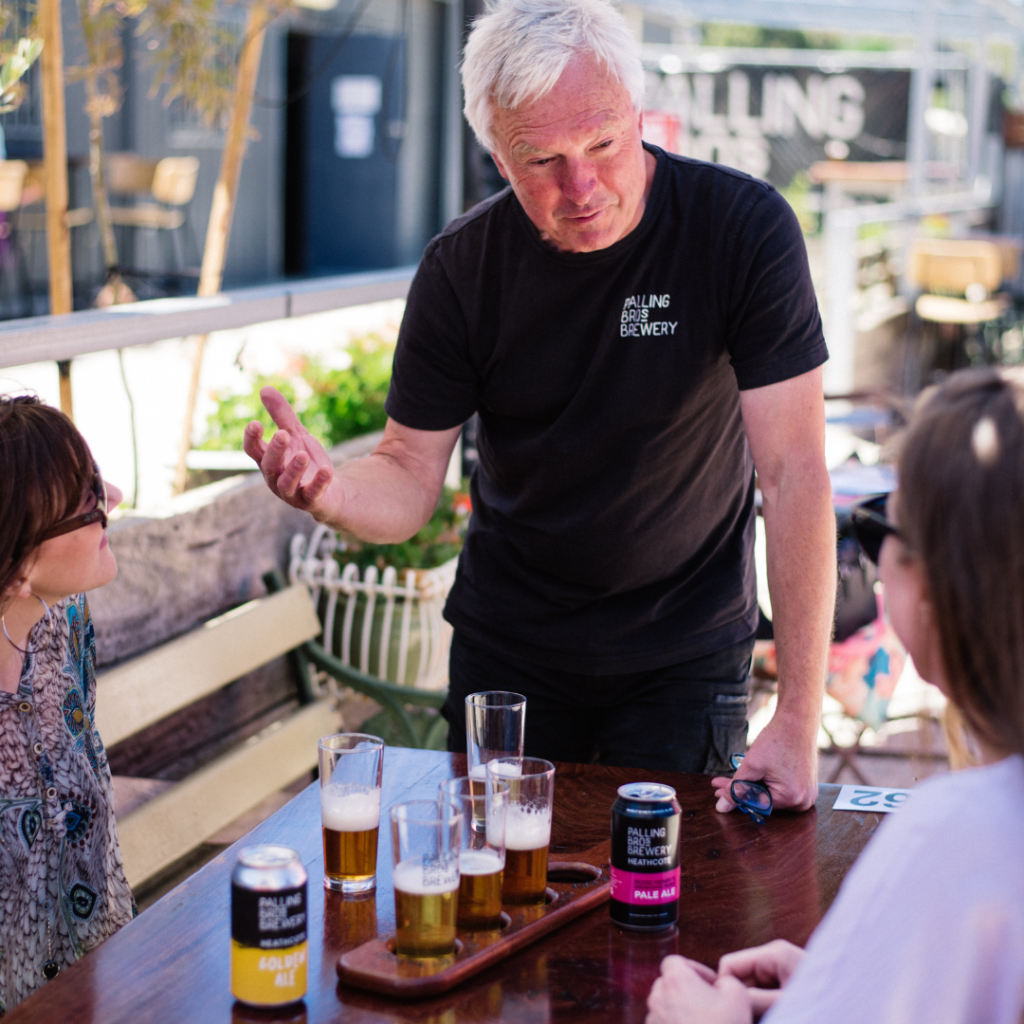 At the opposite end of the dining spectrum and a couple of doors up from Chauncy, is the working brewery and beer hall of Palling Bros.
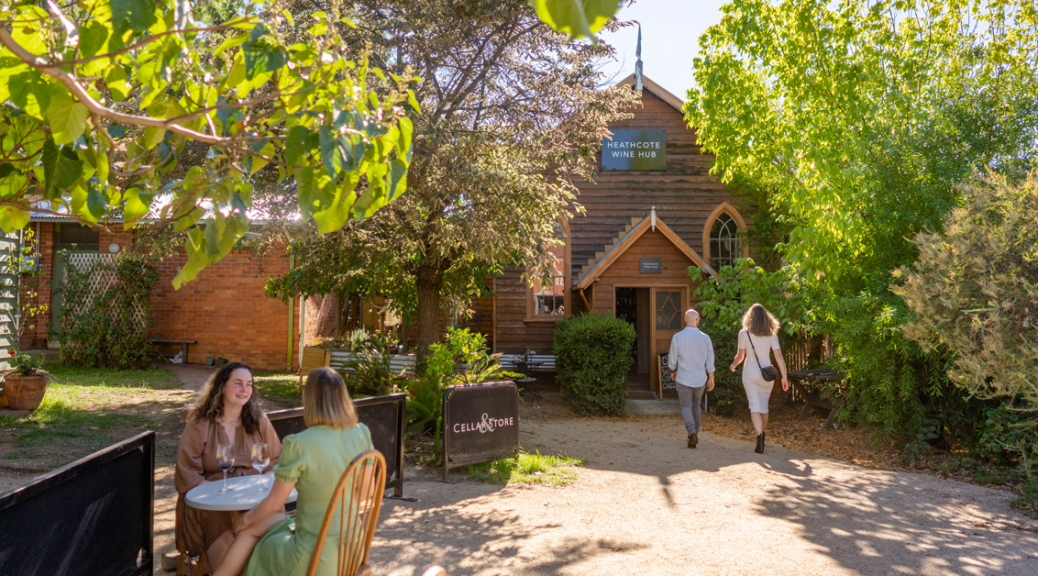
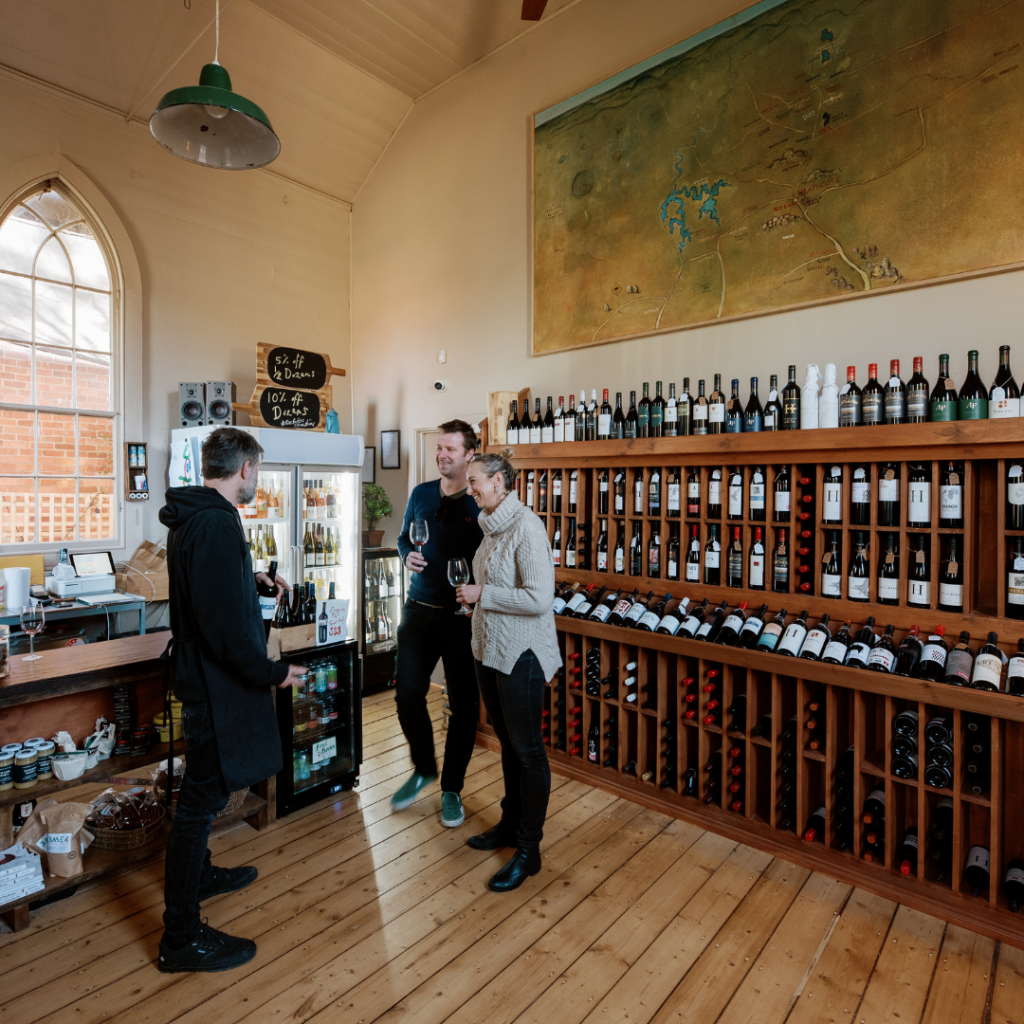 If you’re not keen on driving around to sample as many local drops as possible, this wine store and provedore is just a stroll down High Street.
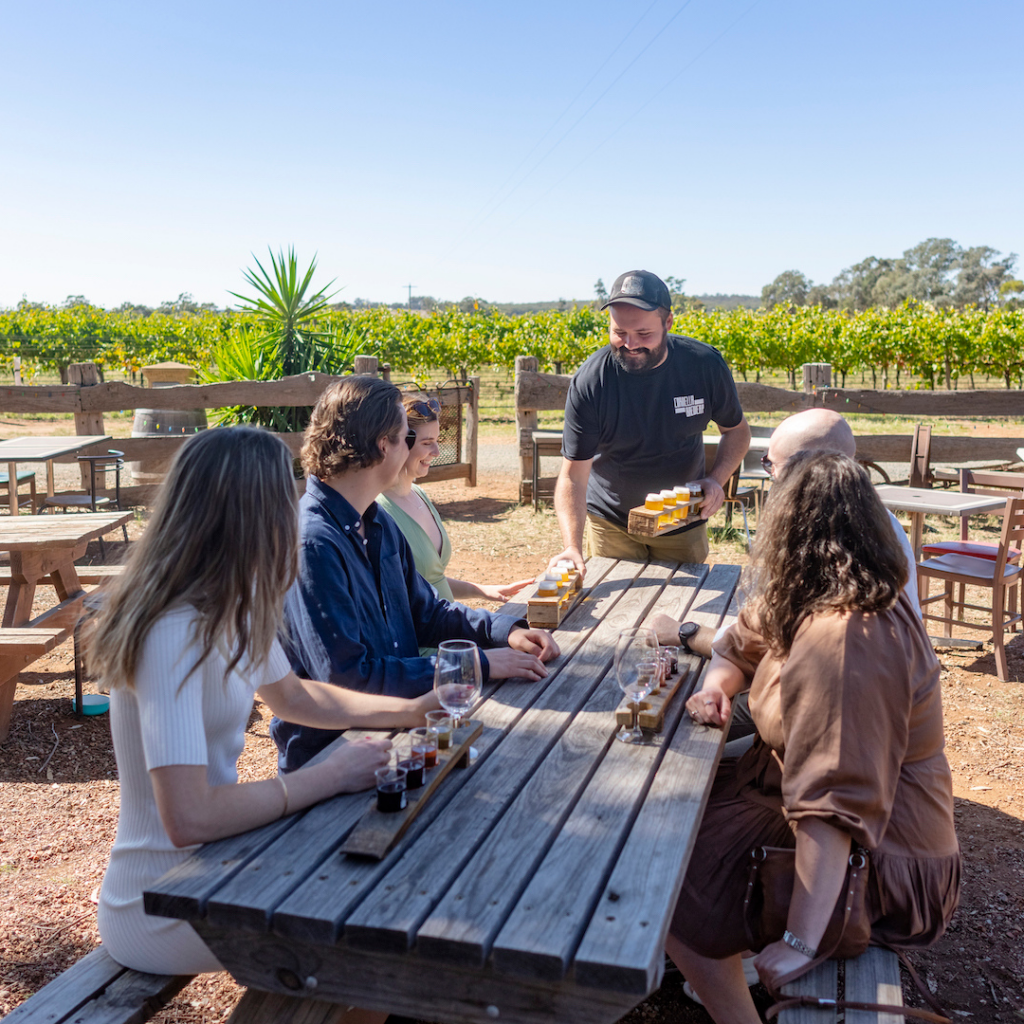 Within the famous Shiraz wine territory, sits Mt Camel, a micro-zone of growing. And the jewel that sits in its crown, is this destination operation that houses a winery, a brewery, self-contained accommodation and immersive experiences.
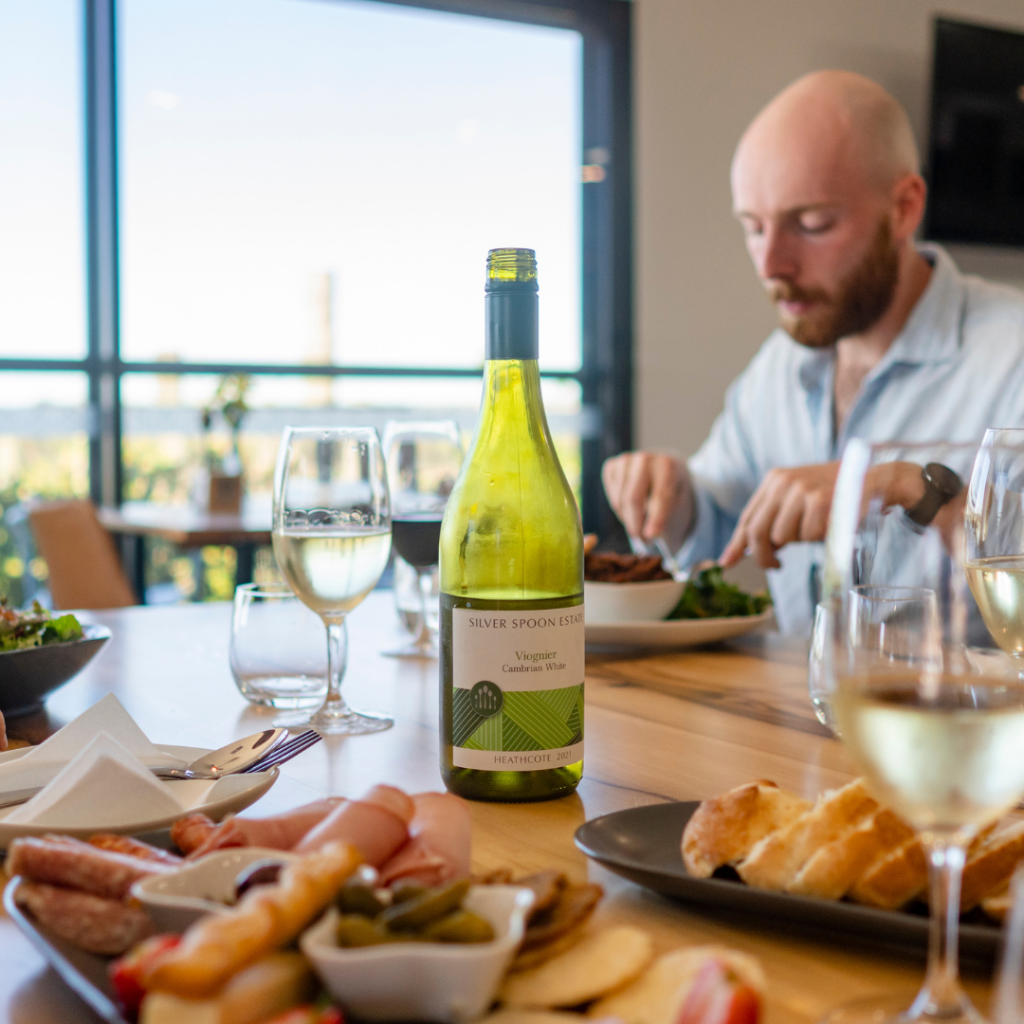 If eco-tourism is your specialist subject, a visit to this off-grid vineyard on Mt Camel is a must.
 Mario Marson has brought generations’ worth of growing knowledge and his Italian heritage to this slice of Mt Camel.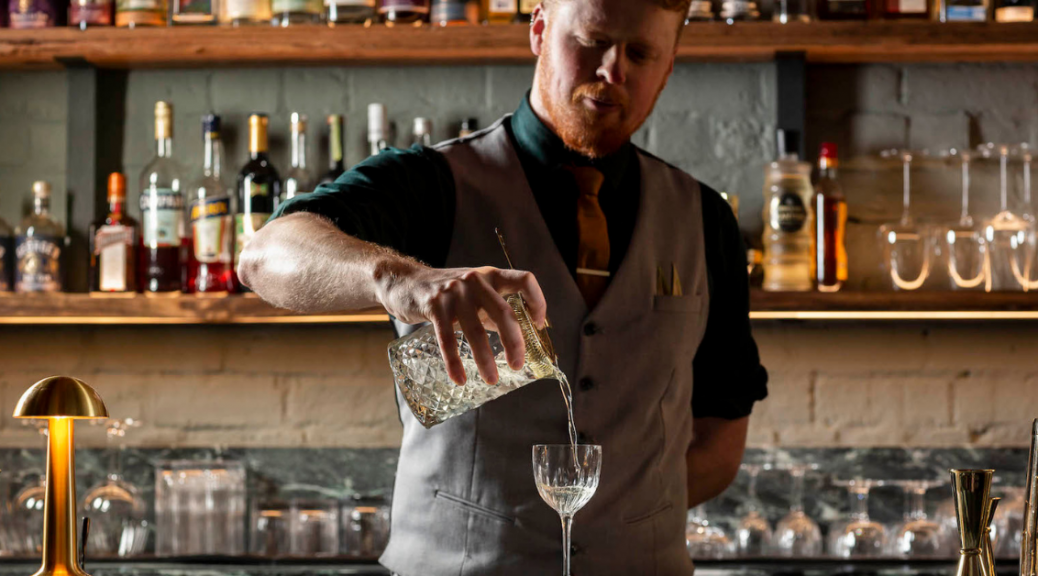
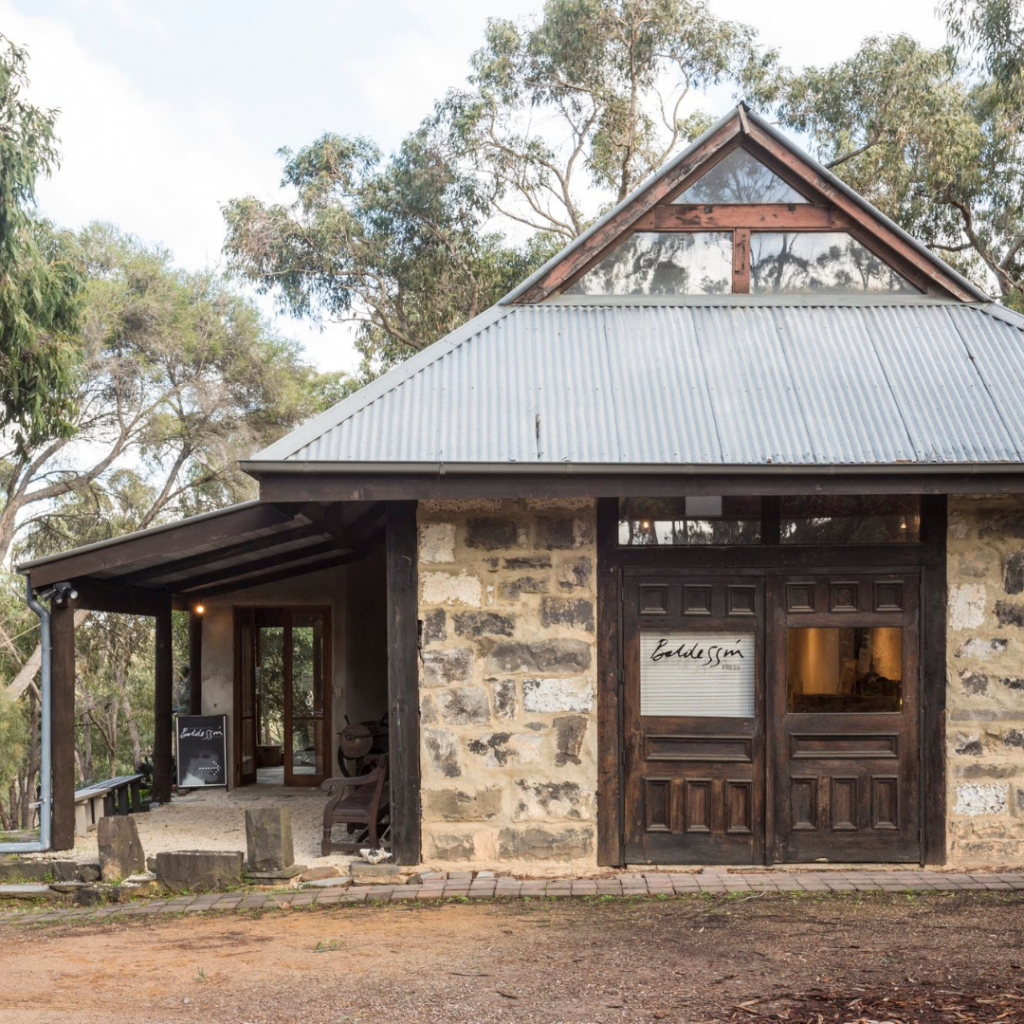 Hidden away in the Red Stringybark forests behind the town of St Andrews, is one of Victoria’s most significant printmaking studios. The solid timber and stone studio was hand-built by acclaimed printmaker George Baldessin in the 1970s and is now managed as a not-for-profit artists’ studio by George’s widow Tess and a small team of passionate artists.
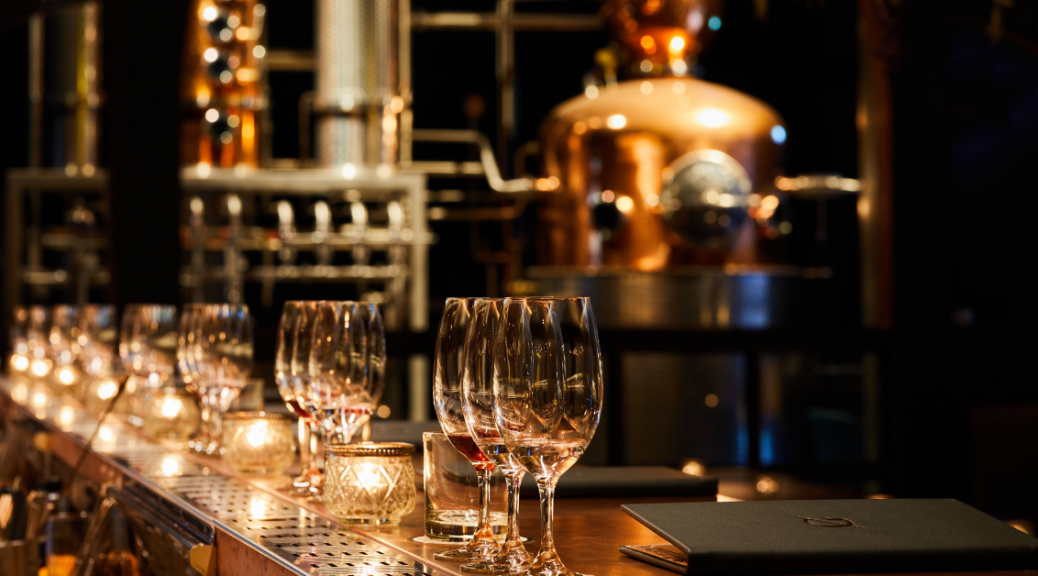
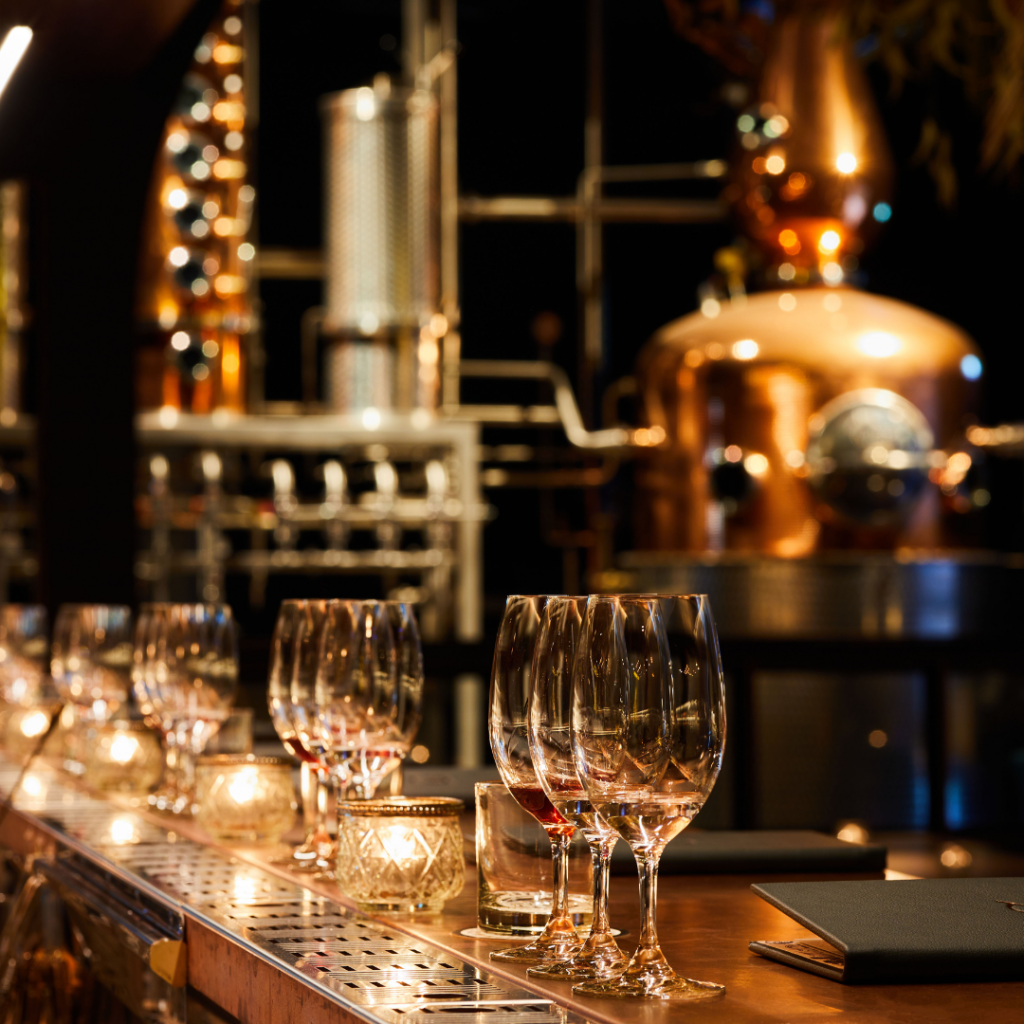 Entering the doors of Naught Distilling is a real surprise to the senses. Sitting at the end of a long driveway in Eltham industrial estate, one would expect to find a light and bright working distillery with perhaps some timber bench seats and a tasting bar.
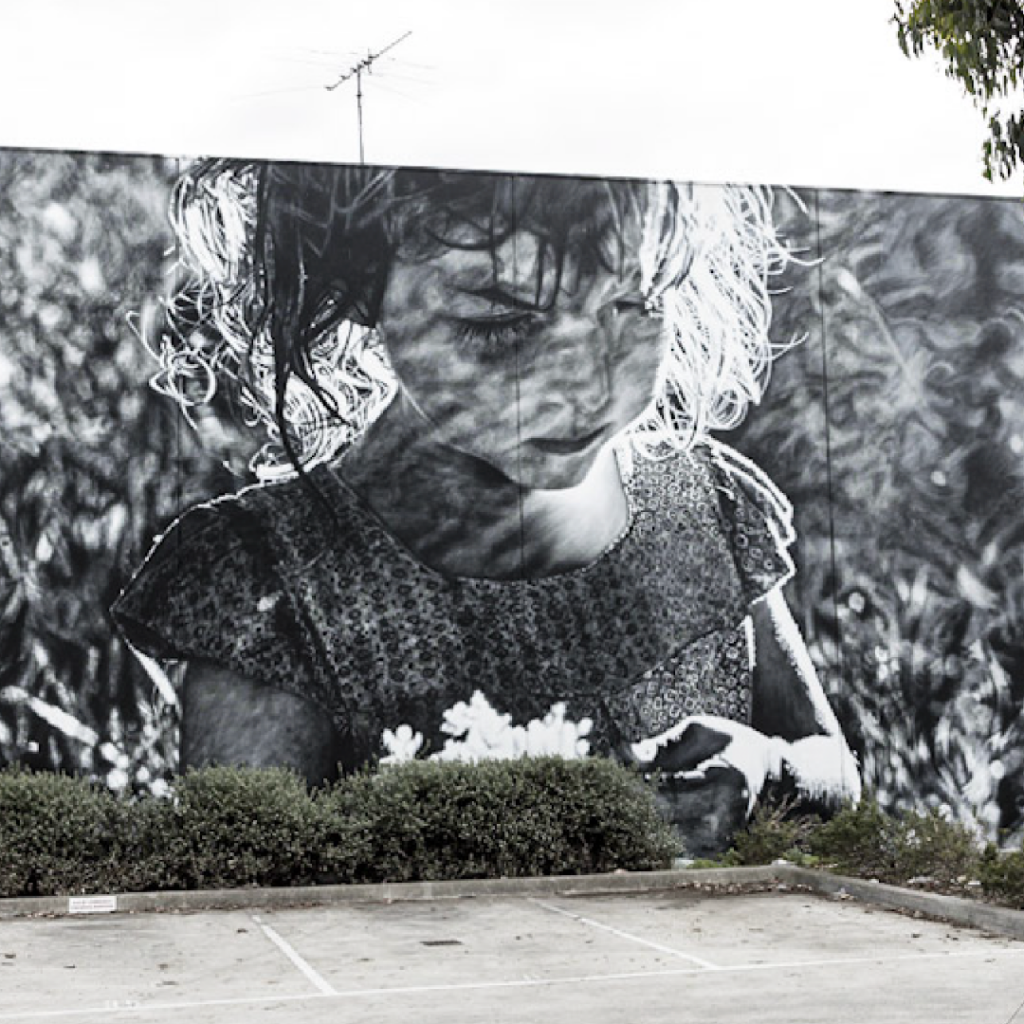 There’s nothing like the feeling of turning a corner and being engulfed by the sight of large-scale art in a place where art (in theory) has no place to be.
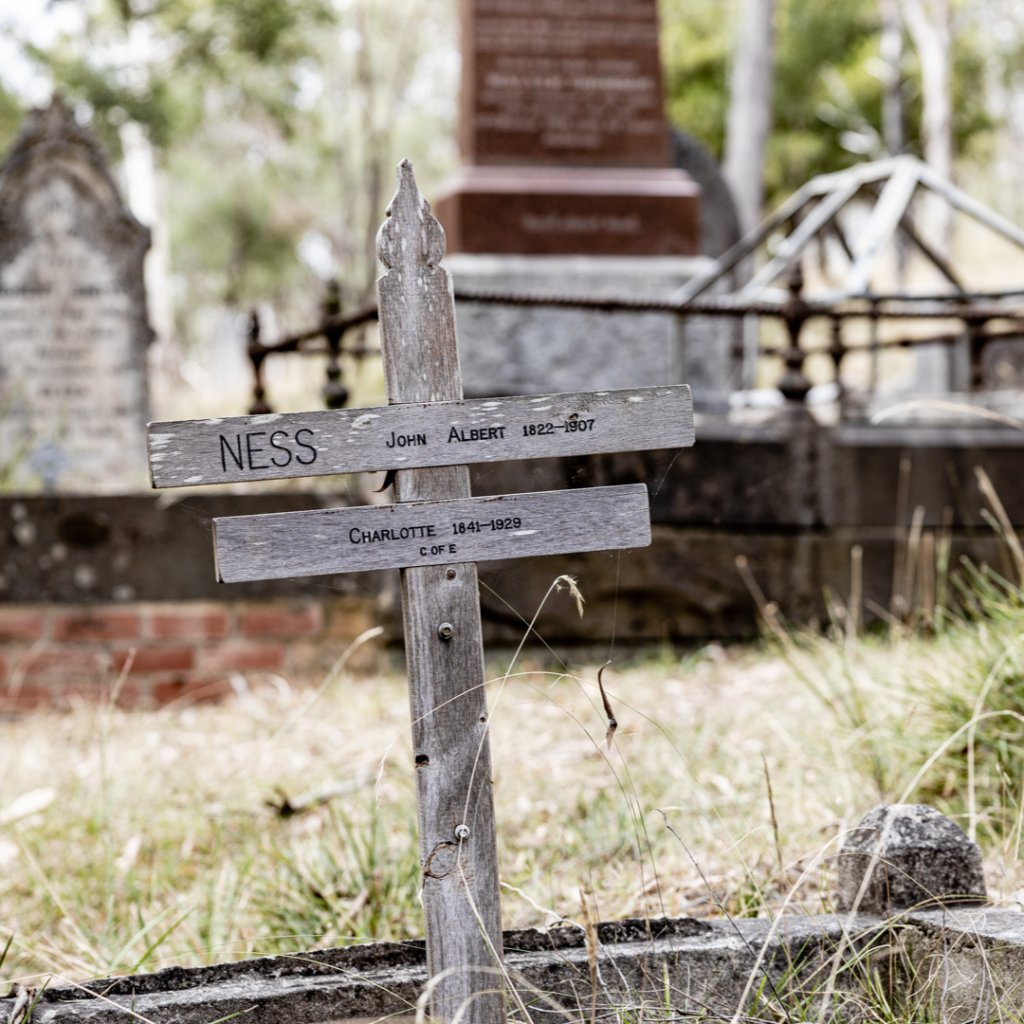 Back in the gold rush era of the 1850s the town of St Andrews was actually called Queenstown, and a cemetery was created on the edge of Smiths Gully to service the community. There is no existing map or plan of the cemetery and it has been left to future generations to slowly mark out the 380 burials at this site.